
Reasons for Hiring a Professional for Leaking Shower Repair
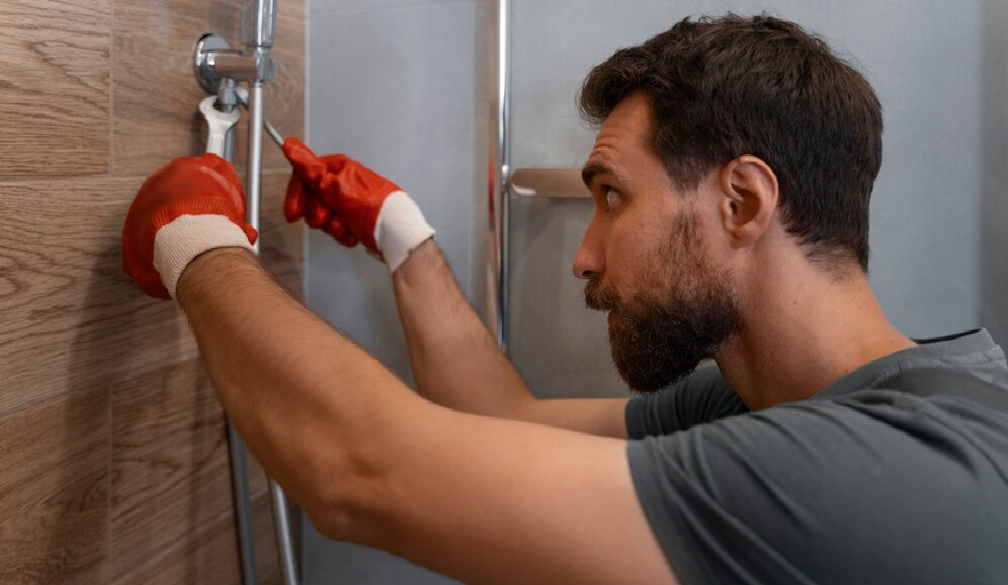
Hiring a professional for leaking shower repair is a decision that homeowners may ponder upon when they find themselves facing persistent moisture issues in the bathroom. A leaking shower can lead to significant problems if not addressed promptly and effectively. This article explores why enlisting the expertise of a professional is essential and the potential pitfalls of attempting a do-it-yourself fix. Understanding the causes, risks, and benefits associated with professional repair services will help homeowners make informed decisions to maintain the integrity and functionality of their bathrooms.
Understanding Shower Leaks
Shower leaks may arise from various sources, including faulty plumbing, worn-out seals, or even cracks in the tile grout. Identifying the origin of the leak is crucial as it dictates the appropriate repair strategy. Without proper diagnosis, addressing symptoms rather than causes can lead to recurrent issues. Water seeping beyond the surface can penetrate structural components, resulting in deterioration that isn't immediately visible. Over time, this can exacerbate the damage, complicating eventual repairs and potentially leading to costly renovations.
Apart from physical damage, neglected leaks can foster the growth of mold and mildew, which are harmful to both the building and its occupants' health. Mold thrives in damp, poorly ventilated environments and can spread quickly throughout wet areas, embedding itself in porous materials such as wood and drywall. This not only undermines the structural integrity of the home but also poses respiratory risks and other health concerns to its inhabitants.
Risks of DIY Shower Leak Repair
Tackling a leaking shower repair as a DIY project may seem like a cost-effective solution initially, but the risks involved often outweigh the potential savings. The complexity of plumbing systems and the expertise required to ensure a watertight seal means that any errors can lead to further damage and, consequently, higher costs down the line. DIY solutions may provide a temporary fix but typically fail to address the root cause of the problem, leading to persistent leaks.
Additionally, without the appropriate tools and materials, there's a high likelihood of the repair failing to meet the necessary standards, which can have implications for home insurance coverage. Most policies require that significant plumbing work be done by licensed professionals to keep coverages valid. Missteps in DIY repairs could not only lead to additional expenses for reparation but also complications with insurance claims should consequential damage occur.
Benefits of Hiring a Professional for Leak Repairs
Enlisting professionals for leaking shower repair offers numerous advantages. Firstly, Crommelin professionals possess the technical expertise and equipment necessary to diagnose accurately and resolve complex issues efficiently. They can identify not only the immediate source of the leak but also any underlying problems that might not be apparent to the untrained eye.
Secondly, professionals can guarantee the quality of their work, often offering warranties that provide homeowners with peace of mind. The assurance that there will be no recurring issues related to the repair can justify the initial investment in a professional service.
What to Expect When Hiring a Professional
When hiring a professional for leaking shower repair, the process typically begins with an assessment of the issue to determine the most effective repair method. The expert will evaluate the extent of the damage, which may involve checking not only the shower unit but also adjacent areas that could be affected by moisture. Following this, a detailed quote is provided, outlining the scope of the work and the associated costs.
The actual repair process might range from simple sealant replacements to more extensive measures like tile regrouting or the integration of new waterproofing membranes. Professionals ensure that all aspects of the repair adhere to current building codes and standards, which further safeguards the property's value and compliance.
Tips for Hiring a Shower Repair Professional
Choosing the right professional for leaking shower repair requires careful consideration. It is advisable to check the license and insurance of any contractor or company to ensure credibility and coverage in case of unforeseen issues. Reading reviews and asking for references can also provide insight into the quality of their service and customer satisfaction levels.
It's important to compare quotes from multiple service providers to find the best balance of cost, reputation, and service scope. Don't hesitate to ask specific questions about their approach to your particular problem; a reliable professional will be transparent about their methods and happy to share their expertise.
Conclusion
In conclusion, the complexities involved in effectively repairing a leaking shower make it prudent to hire a professional. From diagnosing the root cause to implementing a durable solution, the skills and tools required are generally beyond the reach of typical DIY efforts. A professional approach not only ensures a lasting fix but also helps maintain the home's structural health and its inhabitants' well-being. With the right professional, homeowners can trust that their leaking shower will be efficiently managed, safeguarding both their investment and their peace of mind.


