
Protecting our rural communities against bushfire risks
- Written by Professor Alan Wong, Founder and CEO of IND Technology
Earlier this year, the Australian government released its first National Climate Risk Assessment, which found that the country is likely to see an increase in the frequency and intensity of extreme weather events, including bushfires.
This is all the more concerning because our rural communities, which are already vulnerable, are often the hardest hit by these changes.
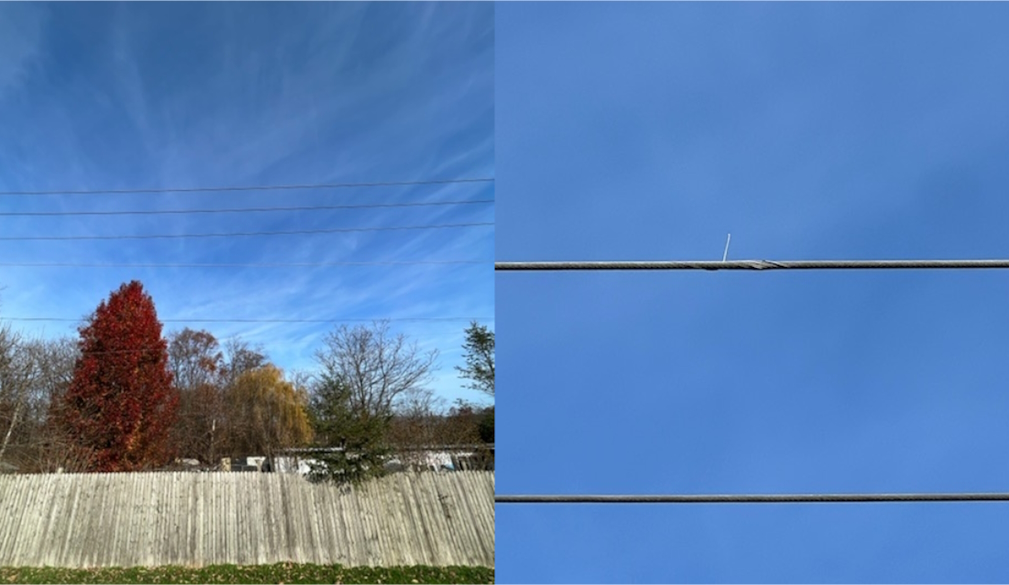
Both rural and urban areas experience bushfires, but rural communities face unique challenges due to their location, climate, and resources. Many large-scale bushfires, including several of the Black Saturday fires, and 90 percent of the deaths they caused, were due to faulty power lines.
While the economic cost to Australia has been estimated at five to ten billion dollars, the impact of catastrophic fires like these goes beyond money.
These disasters destroy homes, farms, essential public infrastructure and communities. They take a toll on public health, mental wellbeing, damage the environment, and cost lives. For rural areas, these disasters don’t just threaten homes; they jeopardise entire livelihoods.
Rural communities are more at risk because of issues like broken powerlines, trees knocking into powerlines during storms, faulty insulators dropping live wires, high-voltage fuses malfunctioning, and fires starting at utility poles. With more natural disasters expected, being prepared is more important than ever.
Preparedness could fall into two categories, namely physical and psychological.
Psychological preparedness focuses on mental and emotional readiness to cope with and recover from disasters. This involves educating communities about emergency procedures, fostering a sense of community resilience, providing support services for those affected, and promoting mental health awareness and preparedness training.
Physical preparedness, on the other hand, involves tangible actions and measures to remove and mitigate risks and enhance resilience against disasters.
To strengthen our power networks, we can use advanced monitoring systems, microgrids, large-scale battery storage, and smart weather forecasting technologies. There is no one-size-fits-all solution; we need a combination of methods.
An important part of physical preparedness is utilising advanced monitoring systems to ensure maintenance removes problems before they can cause bushfires or power outages. Regular inspections, rigorous equipment testing, and timely repairs ensure that power infrastructure remains reliable and safe.
Take the Early Fault Detection (EFD) system, for example. Invented in Melbourne and used for over 10 years, it works like a smoke alarm for the power network. It helps predict and locate potential fires, detecting problems that could cause power outages or, worst case, spark fires.
It’s like a medical monitoring system for the human body, alerting us to issues through 24/7 tracking of the power network’s health. This constant monitoring, even during extreme weather, ensures a more reliable power supply. This translates to fewer faults, better safety for workers, and a more stable energy supply for our rural communities, protecting them from the threat of bushfires.
With advances in technology, we can do more to support our communities, especially those in rural areas. By leveraging these innovations, communities can better withstand and recover from natural disasters, safeguarding homes, livelihoods, and essential services.

About Professor Alan Wong
Founder and CEO of IND Technology, Professor Alan Wong, is a leading specialist in high-voltage electrical insulation and smart sensor technology. With over 15 years of experience working with power industries in Australia, Asia, and the US, he also leads the high-voltage research group at RMIT University.
About IND Technology
IND.T is the designer and manufacturer of the award-winning EFD product based in Melbourne. The EFD system is being rolled out in the US and Canada to mitigate wildfires started by powerlines and to improve the reliability of power networks. The Early Fault Detection (EFD) product is manufactured in Victoria, generating high-tech advanced manufacturing jobs in Australia. The EFD system will create safer and more reliable energy networks.


