
The Rural Times

The Rural Times

12 women announced to help close agriculture’s gender gap


Australian agriculture is creating positive change towards gender diversity and the National Farmers’ Federation (NFF) has a new cohort of women ready to make their mark as future leaders.


NFF President Fiona Simson today announced the next 12 women who’ve been selected for the NFF’s Diversity in Agriculture Leadership Program.


“Applications for this year’s program confirms there is no shortage of female talent in agriculture and rural Australia. Furthermore, they represent a diverse range of agricultural industries such as feedlot management, animal science and machinery.”


When the program began, just 2.3% of CEOs in agriculture were women and women made up only 18% of senior managers.


“Since starting this program six years ago, we’re seeing transformational change across industry, not only with more women in leadership positions, but more are pursuing a career in agriculture,” Ms Simson said.


“Results from the 2023-24 Women’s Budget Statement shows 60% of agriculture and environmental studies graduates are women and it is one of only two industries where female graduates earn more than their male counterparts.


“Agriculture is leading the way and I could not be more proud.


“The key is keeping the momentum going as women progress through their careers. That’s where this program fills a gap. It creates pathways for women to rise through the leadership ranks - pathways that previously didn’t exist.”


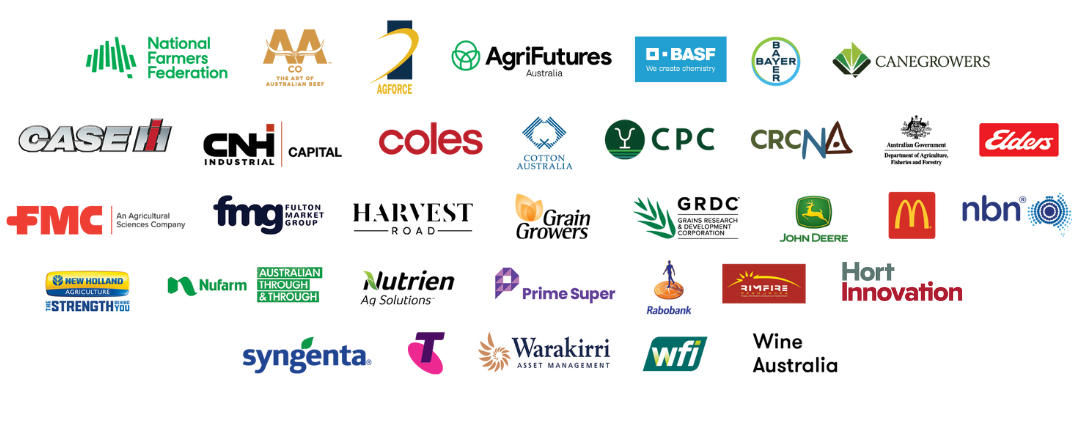
The program is made possible by the support of 35 leading agricultural organisations. These partners make a public pledge to make meaningful change towards gender diversity in their own businesses and report on their progress.


“Graduates of the program have gone on to become changemakers in agriculture and leaders in their communities and I can’t wait to see what this cohort achieves,” Ms Simson concluded.


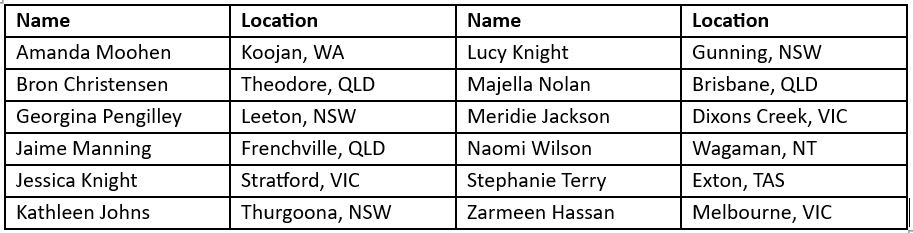
2023 Diversity in Agriculture Leadership Program cohort
Partners
About the program

The annual mentoring and networking program is in its sixth year. It is the NFF’s flagship initiative to fix the under representation of women in agriculture’s leadership ranks.


In the NFF’s 2030 Roadmap for agriculture to be a $100 billion industry by 2030, the NFF has set a target to double the number of women in agriculture’s leadership positions by 2030.


The 2023 Diversity in Agriculture Leadership Program participants will meet for the first time in Canberra in June for an introductory retreat, where they will outline their goals, meet their mentors and hear from inspiring speakers. The group will graduate at the NFF’s National Conference in October.


See the Diversity in Agriculture Leadership Program alumni here.

Trending Reports

Choosing an A.H. Beard Mattress in Perth: Comfort, Support & Model Guide

Some mattress brands are three years old with a slick website and a manufacturing story that is mostly marketing copy. A.H. Beard is not one of them...

Import Cars From USA To Australia And Japan: Which Option Is Right For You?

Australians love unique vehicles, from classic American muscle cars to high-tech Japanese performance models. If you want to stand out on Aussie roa...

Hormuz is thousands of kilometres away — but Australian farmers are paying attention

A narrow stretch of water between Iran and Oman might appear to have little connection with a wheat farm in Western Australia, a cattle property in ...

How to Keep Your Horse Healthy With the Right Feeding Plan

You've probably heard that nutrition is key to your horse's health, but knowing where to start can feel overwhelming. Between choosing the right hay...

Australia's Road-Travel Boom Is Bringing Money Into Rural Towns

There is a particular sight familiar to almost every Australian country town. The caravan arriving at the service station. Another parked outside ...

RBA holds rates — but rural Australia faces an interest rate problem of its own

  The Reserve Bank has left Australia's cash rate unchanged at 4.35 per cent, avoiding another immediate increase in borrowing costs. For rural Au...

El Niño is back: What Australian farmers should be preparing for

El Niño conditions have returned to the Pacific, putting rainfall, crops, livestock, water supplies and bushfire conditions firmly on the agenda for...

The Iran war reaches the farm gate: what higher fuel and freight costs mean for rural Australia

The war involving Iran may be taking place thousands of kilometres from rural Australia, but its economic consequences can travel remarkably quickly...

Growing Old on the Land: The Unique Challenges Facing Rural Australians

Australia's farming families spend decades building properties, businesses and communities. Many hope to remain on the land for as long as possible...

The Wool Industry: A Cornerstone of Rural Australia

  For more than 200 years, wool has been woven into Australia's economic and cultural story. From the vast Merino stations of the inland to modern ...

Virbac Australia Illuminates Goulburn’s Iconic Big Merino to Launch New Multimin Evolution for Sheep and Backs Local Communities with $2,000 Donation

Virbac Australia Illuminates Goulburn’s Iconic Big Merino Virbac Australia has illuminated Goulburn's iconic Big Merino to celebrate the launch of it...

Can Private Credit Help Australian Agriculture?

Agriculture has always required substantial capital. Farm purchases, irrigation systems, machinery, storage facilities and processing plants all re...