
Cuts will cost lives in the regions
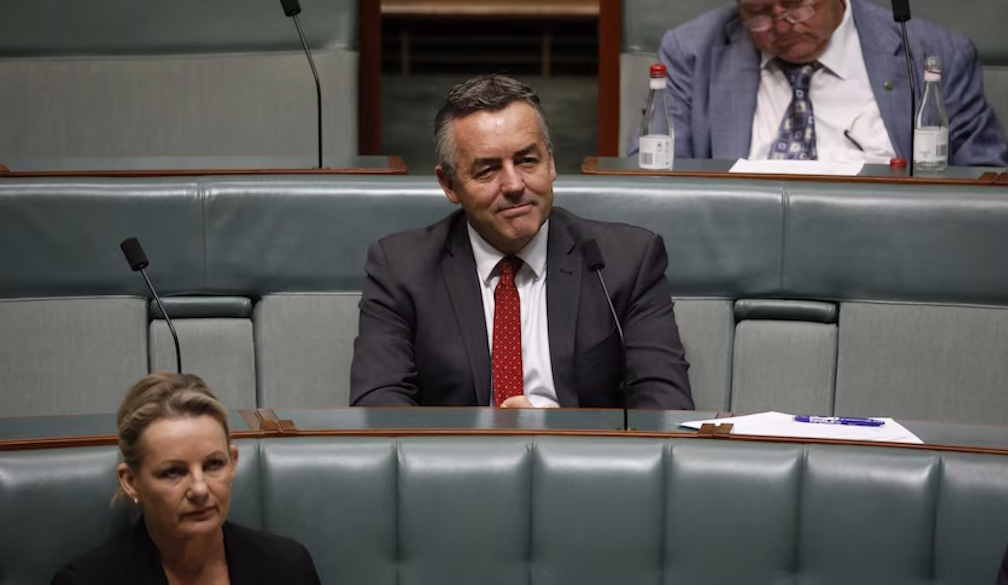
Regional communities and local councils across Australia will be the biggest losers under plans by the Federal Minister for Infrastructure and Transport Catherine King to re-design the Commonwealth infrastructure investment pipeline.
Speaking at a conference in Sydney today, Minister King confirmed she would abandon the 80-20 funding split for infrastructure projects which would make many regional projects unviable, according to the Shadow Minister for Local Government and Regional Development, Darren Chester.
The Minister also indicated that she was only interested in funding ‘nationally significant’ infrastructure with a price tag of at least $250 million or located on a key transport route.
“This is the beginning of a major cost shift onto local councils and ratepayers, and a plan to abandon infrastructure projects in regional areas,” Mr Chester said.
“In government, the Coalition recognised that good infrastructure investments could change lives and save lives.
“We changed lives by reducing congestion and improving productivity and we invested in life-saving road projects across the nation. We also trusted local councils to identify priority projects and help them to fund critical work which they wouldn’t be able to do as quickly if they relied solely on their rate base.
“Localised road treatments like installing traffic lights or roundabouts at intersections with a high crash history are proven to reduce the severity and frequency of crashes and I would argue they are nationally significant.
“But Minister King hardly mentions road safety at a time when trauma is increasing and her long overdue review of the infrastructure investment program has stalled much-needed investment in new projects.”
Mr Chester was joined by the Victorian Labor State Transport Minister Danny Pearson in flagging concerns about the proposal to require all projects to have a 50-50 funding split between states and the Commonwealth.
“It would be concerning if the Federal Member for Ballarat, Minister King, sought to walk away from regional Victoria, that would be concerning and disappointing. Generally the projects that tend to be funded are more regional and rural projects,” Mr Pearson said.
Mr Chester said the option of 80-20 funding splits for regional projects had allowed the previous Coalition Government to bring forward major highway upgrades in regional areas and reduce road trauma.
“We used the 80-20 model to bring forward massive improvements to the Bruce Highway in Queensland, Pacific Highway in New South Wales and the Princes Highway in Victoria,” Mr Chester said.
“None of those life-saving and nation building projects would have proceeded if we had tried to get the respective State Governments to split the bill 50-50.
“Minister King has a city-centric plan to focus her infrastructure budget on metropolitan areas and starve regional communities from the much-needed investment in life-changing and life-saving projects.”


